Ongoing AI consulting for your team.
After the workshop, we stay close. Regular working sessions where we unblock your team, review what they build and bring in new tools as they land. You work with Mark Kashef and Taha El Harti directly.
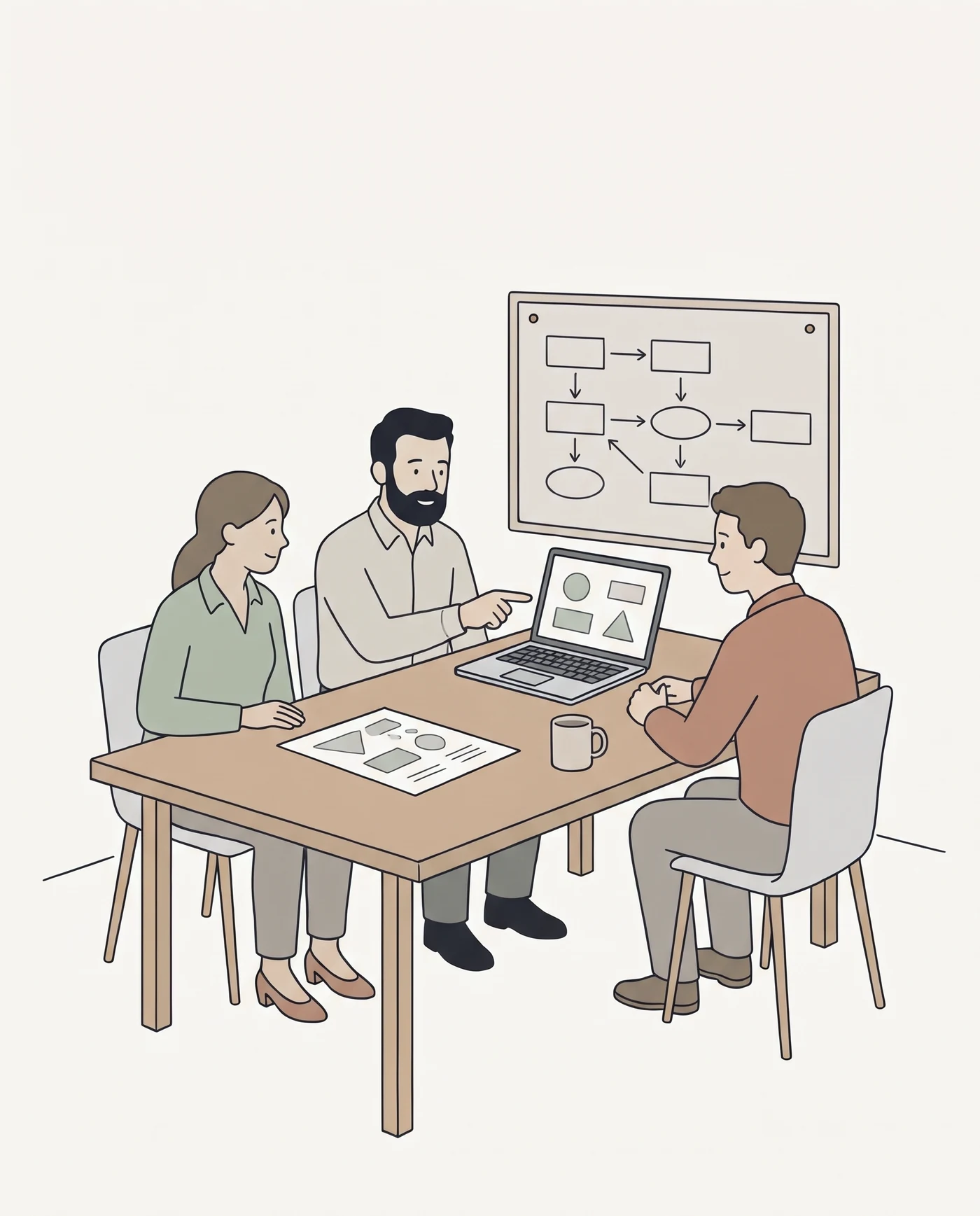
What ongoing consulting looks like.
No two engagements are the same. Most mix these three, shaped to your team and what they are building.
Working sessions
Regular sessions with the people doing the work. We unblock what they are building and help them finish and ship it.
Reviews
We review what your team builds, plus the tool choices, vendor decisions and rollout plans around it.
New tools as they land
When a new model or tool matters to your work, we bring it in and show your team where it fits.
- Who is in the room
- Your team and ours. Mark Kashef leads the sessions, and Taha El Harti joins for builds, integrations and security.
- What gets reviewed
- What your team is building, the tools and vendors around it, and the rollout decisions in front of you.
- How often
- It depends on your team and what they are building. We set the rhythm together and change it as the work changes.
- Terms
- Month to month. The fee is quoted on the call and confirmed in writing.
Security, built in.
Teams that build fast with AI ship holes they cannot see. So we built Lockpick, our own security scanner, and security runs through everything we do with your team.
Reviews of what is already live
Lockpick checks your apps, sites and AI skills from the outside, then a person reviews every result and ranks the fix list.
Checks before every handover
Anything we build with your team is checked for security before it ships.
Policy your team can follow
Which data goes into which tool, where keys live and who can approve an agent's actions.
Other ways to start.
Most teams start with the workshop. Some start with one workflow, one build or one review.
Workflow sprint
Two weeks · One workflow · Fixed fee
One process mapped, a feasibility call on where AI fits, and a costed build plan. The sprint answers one question your finance lead will ask. Is this worth building, and what will it cost to run?
- Who attends
- One workflow owner from your side, plus anyone who does the work today
- Week one
- We sit with the work, map every step and measure the time it takes
- Week two
- We test the AI pieces on your real examples and price the build
- You own
- Everything we produce. The plan is yours whether or not we build it
Production builds
Six to twelve weeks · Fixed fee
The system from the sprint plan, built with your people, not around them. Documented, handed over, with the running costs listed before you commit. Someone on your side learns it as we go, so they can own it.
Fractional AI lead
Monthly
A senior operator on call for tool choices, vendor reviews and rollout decisions. For companies with ongoing AI work and nobody in house to own it yet.
Security reviews
Scoped on the call
What your apps show the outside world, ranked by risk, with a fix list. For teams that shipped fast with AI and have not had anyone check it.
A plan your finance lead can read.
One page from the sprint. What to automate, what to leave alone, and what it costs to run.
What we often tell teams not to build
A chatbot over documents nobody maintains
It answers confidently from stale files. Fix the documents first.
An agent that replaces a judgment call your customers pay for
Draft and suggest, yes. Decide for your senior people, no.
Automation for a process that changes every month
Settle the process first. Automating churn just makes it faster.
Quote intake, home services, 40 staff
- TodayThree people retype requests, redacted a week
- BuildAn agent drafts each job, a person approves
- Leave alonePricing, it stays human
- Run costredacted a month
How an engagement starts.
A 15-minute call
We ask about one team or one workflow and tell you honestly whether we can help. Bring the process, and who owns it.A workshop or a sprint
A half day that gets your team building, or two weeks to map one workflow and price the build.Ongoing consulting
Working sessions, reviews and new tools as they land, month to month, for as long as it helps.
The people you work with.
Two founders on every engagement.
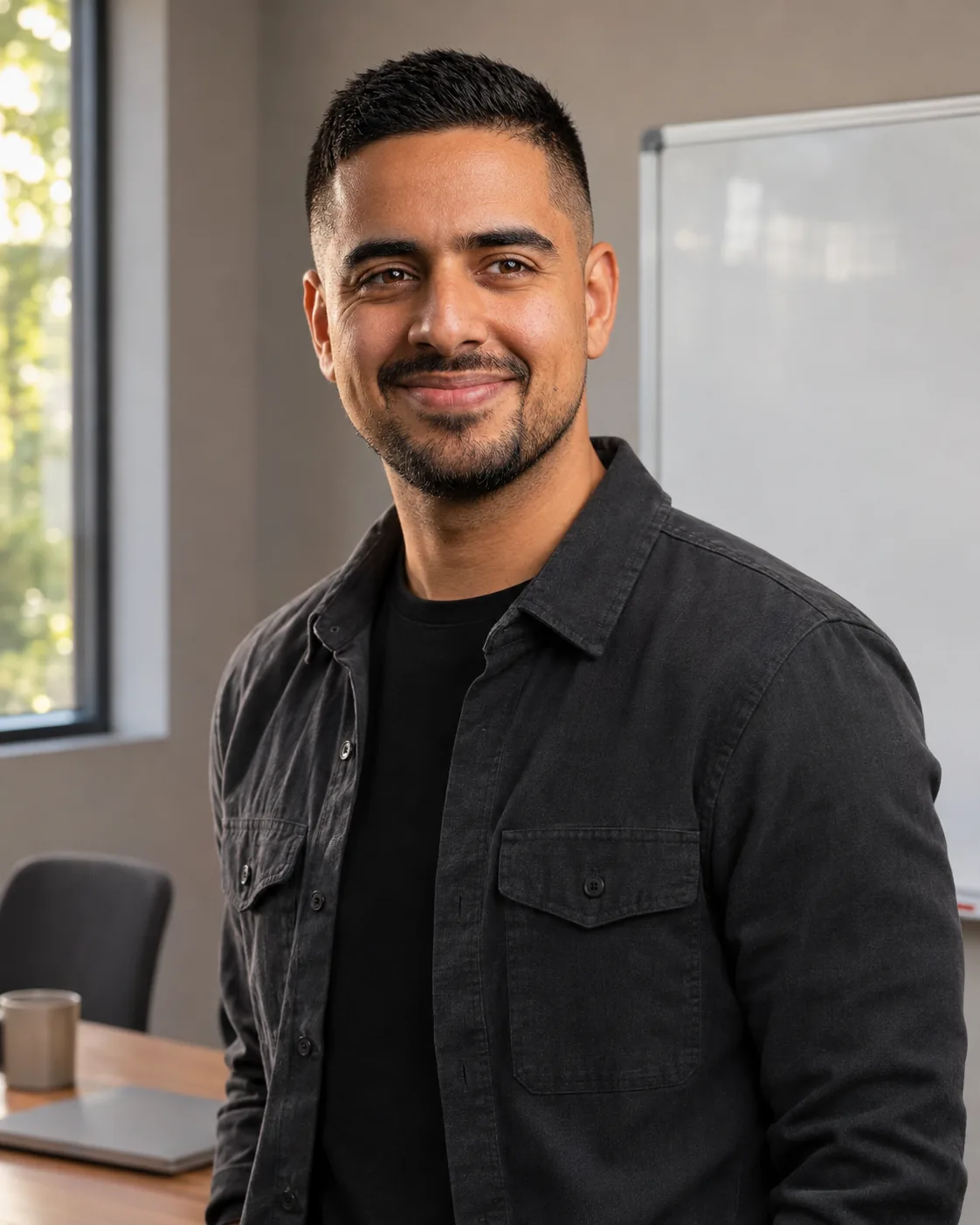
Mark Kashef
Leads the workshops, sessions and plans
Maps the work with your team, writes the plan and trains the people who will use it.
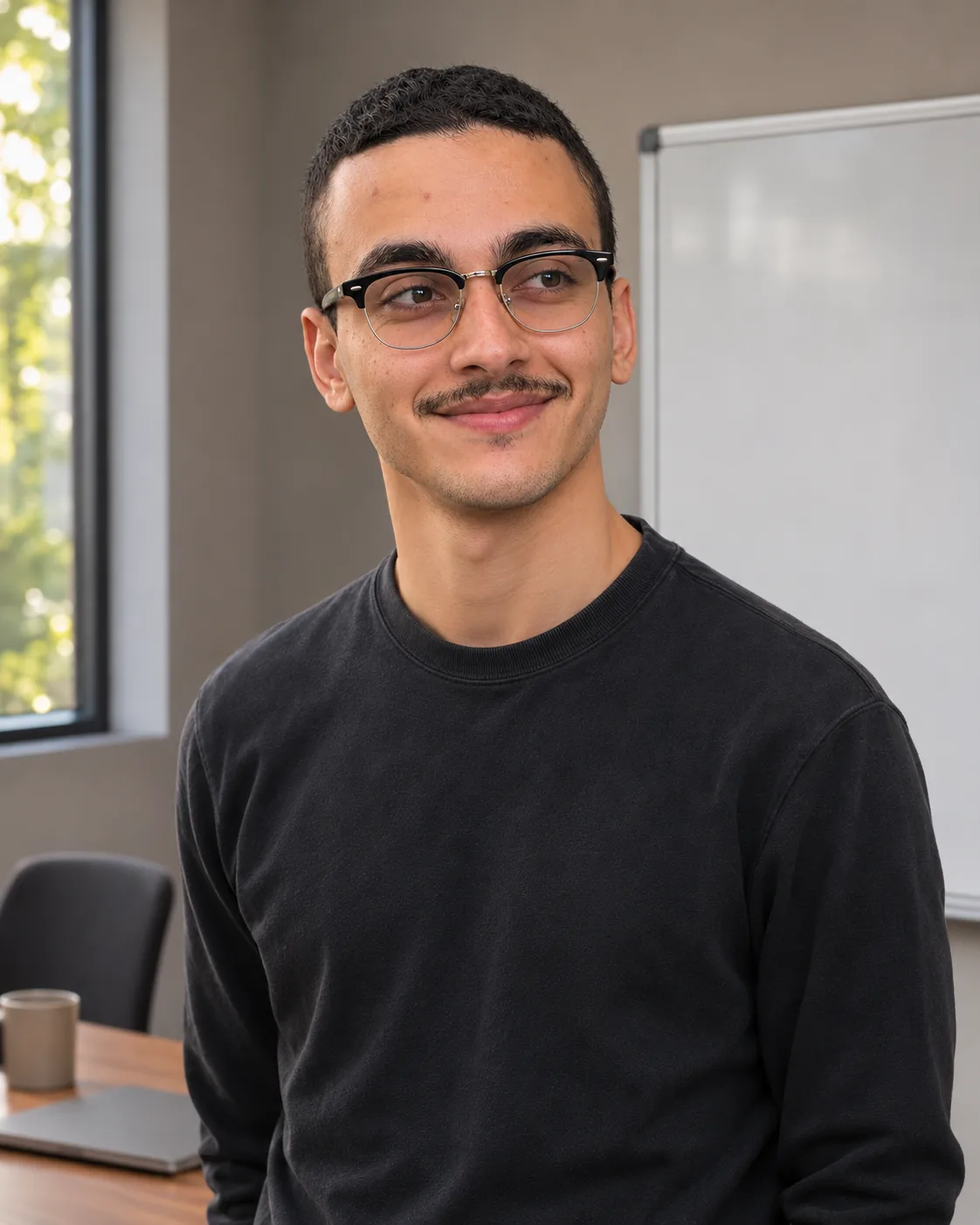
Taha El Harti
Leads builds, integrations and security
Builds the production system, connects it to your tools and checks it for security before handover.
What buyers ask us first.
Security has its own page. See what a review covers.
What does it cost?
How long does it take?
Who maintains it after you leave?
What happens to our data?
Which tools do you build on?
Do you work with non-technical teams?
Bring us one team.
Fifteen minutes is enough to tell where to start. You get a straight answer on fit and a clear next step.
Book a 15-minute call